


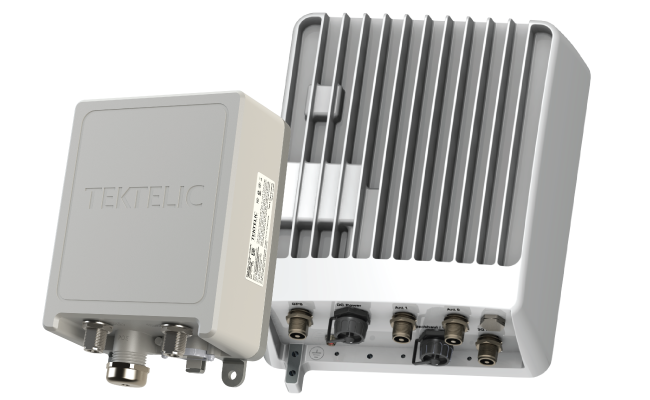




We developed our LoRaWAN® gateways to give customers carrier-grade reliability, secure connectivity, and simple deployment. With the ability to cover more using fewer units, they also help reduce rollout costs and achieve a lower total cost of ownership (TCO), while integrating seamlessly with our network server and management tools.


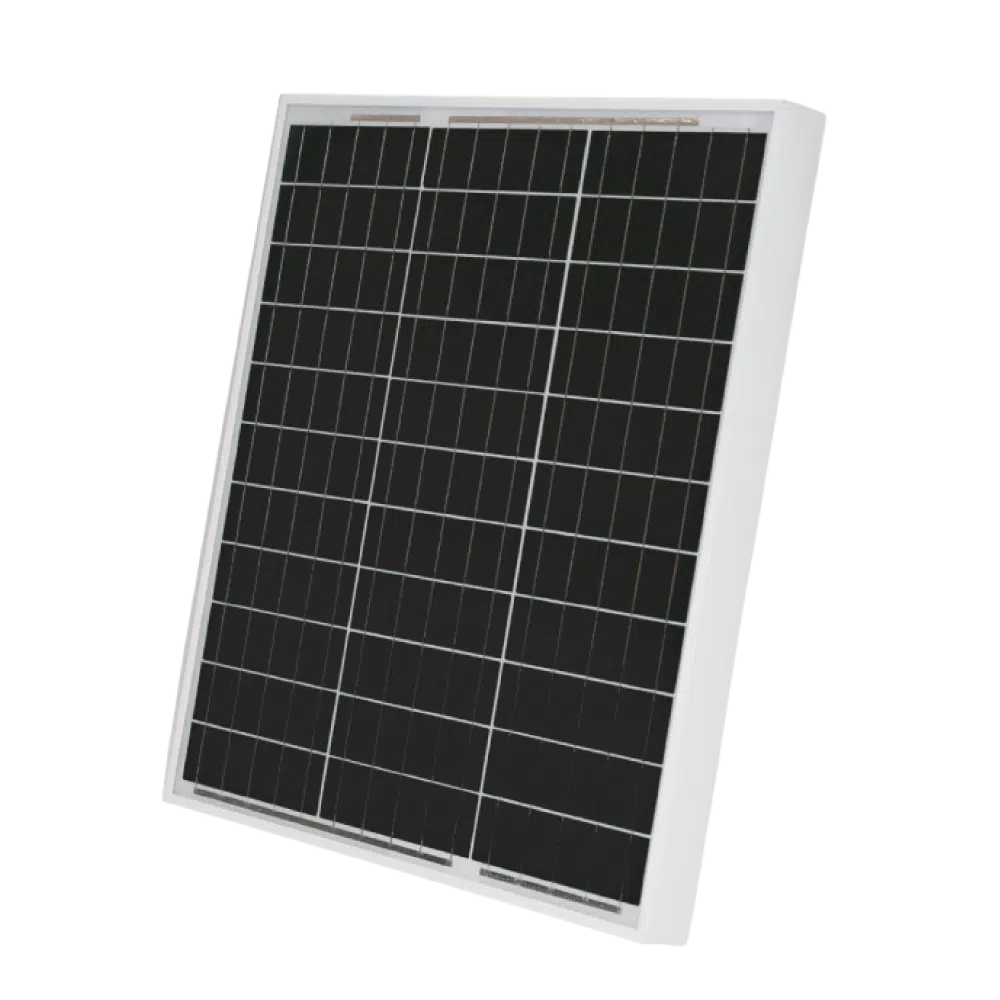


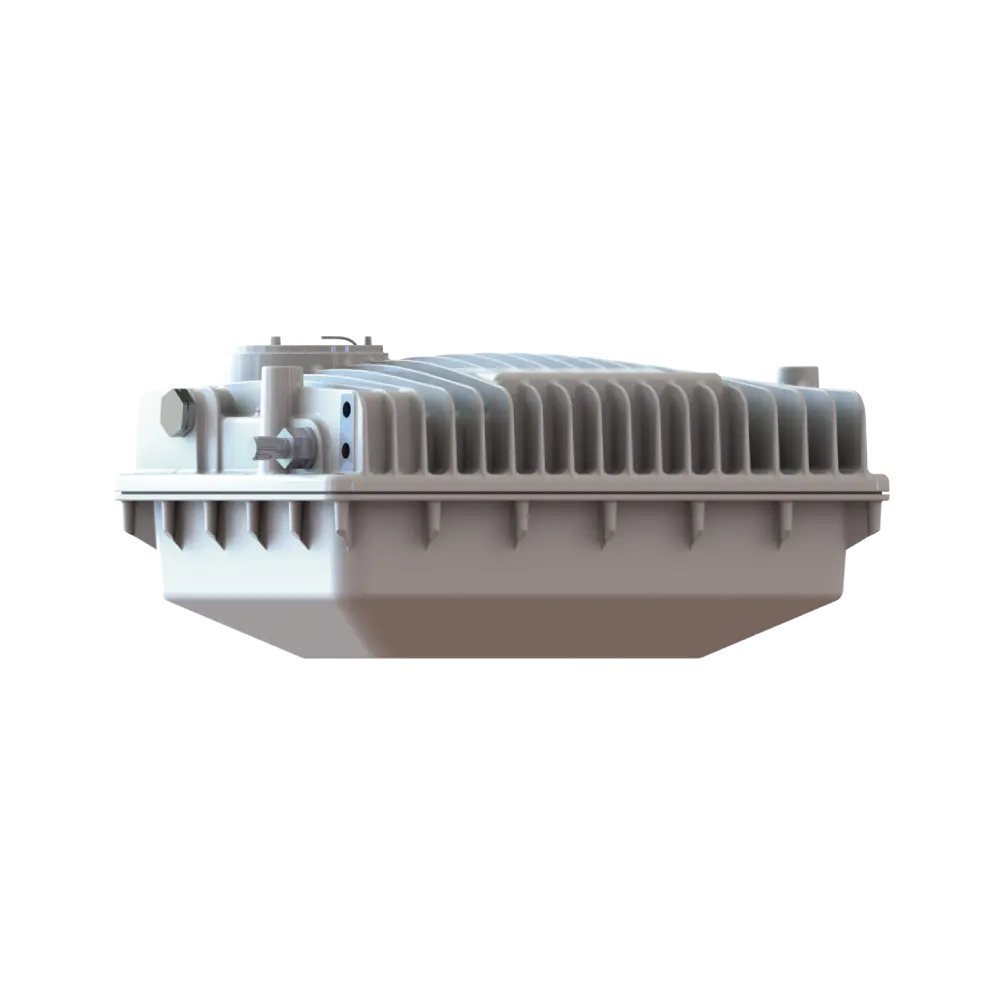
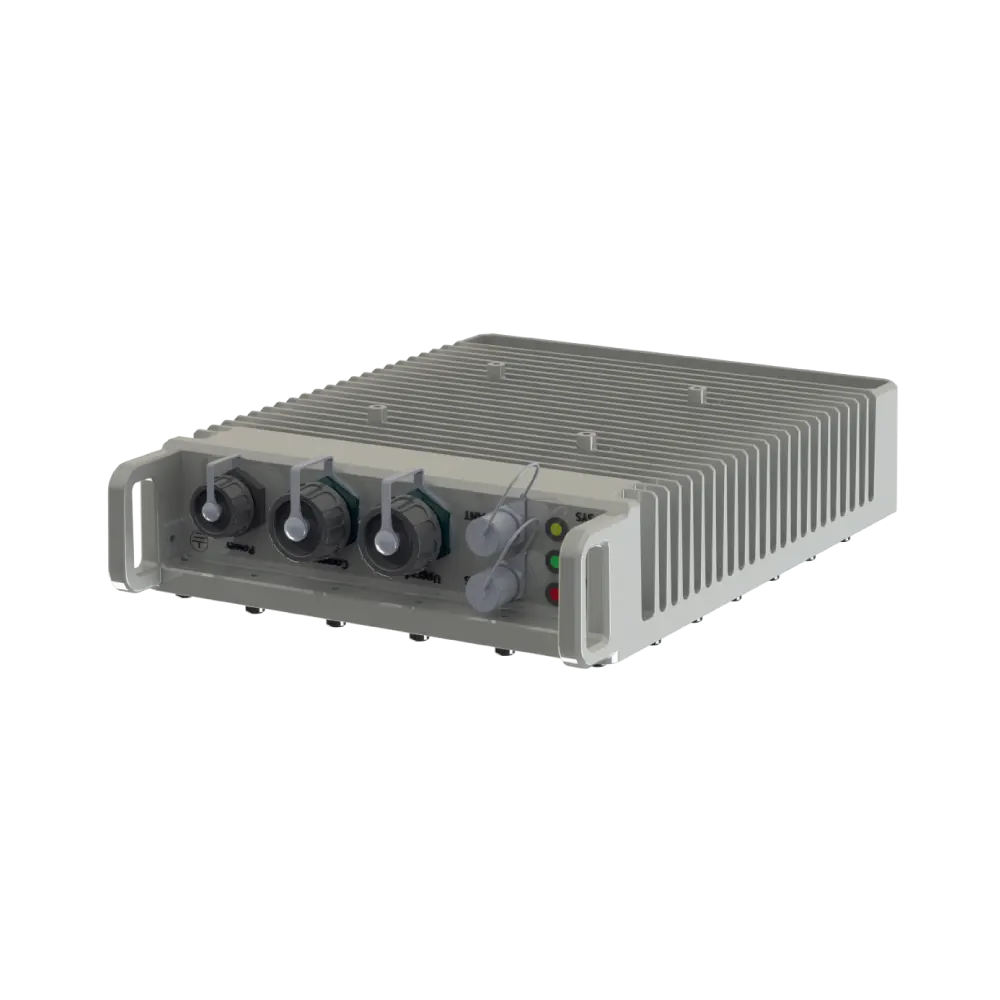
What is a LoRaWAN gateway?
A LoRaWAN gateway is the IoT gateway that receives radio messages from every LoRaWAN sensor in range and forwards them over Ethernet or cellular to the LoRaWAN Network Server. Every LoRaWAN network needs at least one gateway, and a single gateway can serve thousands of sensors across a building, campus or city district.
What is the range of a LoRaWAN gateway?
LoRaWAN gateway range is typically 3–20 km in open terrain and 1–5 km in dense urban areas; indoor gateways usually cover 2-3 floors. Antenna height and receiver sensitivity matter more than transmit power, which is why carrier-grade gateways reach further with the same sensors.
How many devices can one LoRaWAN gateway handle, and how many gateways do I need?
A high-capacity TEKTELIC KONA gateway can support thousands of LoRaWAN devices, depending on reporting frequency, payload size and overall network traffic. In many deployments, the number of gateways is determined by coverage and redundancy rather than device capacity. As a general indoor guideline, multi-storey buildings may require approximately one gateway per 2–3 floors, depending on building layout, construction and RF conditions..
What is a LoRaWAN Network Server, and where should it run?
The LoRaWAN Network Server (LNS) authenticates devices, removes duplicate messages and routes data to applications. It can run in the cloud (fast multi-site rollouts), on-premises (large private networks with strict data rules) or embedded in the gateway (a single site covered by one gateway). Compare the three options.
What makes a LoRaWAN gateway carrier-grade?
A carrier-grade LoRaWAN gateway is built to telecom standards, with high receiver sensitivity, integrated cavity filters, built-in lightning and ESD protection, and an IP67 enclosure. Our carrier-grade gateways keep RF performance consistent in the field, last 10+ years, and need fewer site visits, which gives you more coverage, fewer failures and a lower total cost of ownership.
Which network servers work with TEKTELIC gateways?
TEKTELIC KONA gateways work with any LoRaWAN-compliant network server, including the TEKTELIC Network Server, The Things Network and ChirpStack, or with TEKTELIC's embedded network server on the gateway. Zero-touch provisioning means the gateway configures itself once powered and connected.
